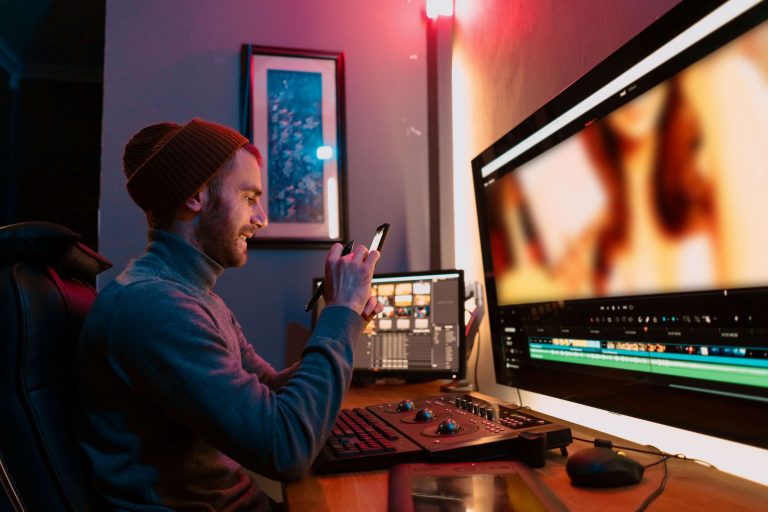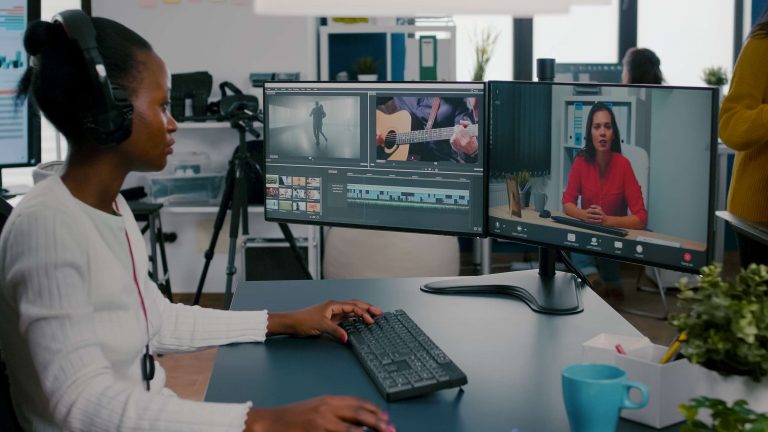
Color grading influences the emotional elements of a video more than most creators initially believe. It’s more than just fixing things, but about color for mood, with deliberate decisions on hue, contrast, and saturation. Warm colors create comfort and nostalgia, while cooler hues may convey tension or distance. Talented editors make these switches intentionally, leading viewer emotions frame by frame without words.
It’s building on the correct, and that’s great. Exposure, white balance and contrast can modulate distracting mismatches in the footage. This ensures the differing visual quality in clips recorded under different lighting is combined to ensure smoothness of image. After the base level has been cleaned up, artistic grading starts —what will looks what’s right for the story arc.
Scopes and curves tools provide fine control over shadows, midtones, and highlights. Editors are trained to isolate colors using qualifiers, boosting certain color channels such as skin tones or backgrounds. Subtle vignettes bring the viewers’ focus in, while teal-orange pushes introduce a cinematic depth that’s quite popular in modern storytelling. Draw, not to mention reference films, makes perfect to good sense of the professional look.
Consistency across scenes maintains immersion. Develop adjustable presets that can be applied without affecting the signature style. Mood may shift slowly — from neutral to saturated as tension escalates, or toward desaturation for flashbacks. These decisions are all that much to do with converging thematic causality rather than narrative osmisis.
Color grading is what puts a touch of magic in already great edits. It requires both technical rigour and artistic instinct, honed through continual exploration. Editors gradually develop the confidence to push boundaries, harnessing color as an impactful storytelling ally that allows them to elevate their projects to new emotional levels.