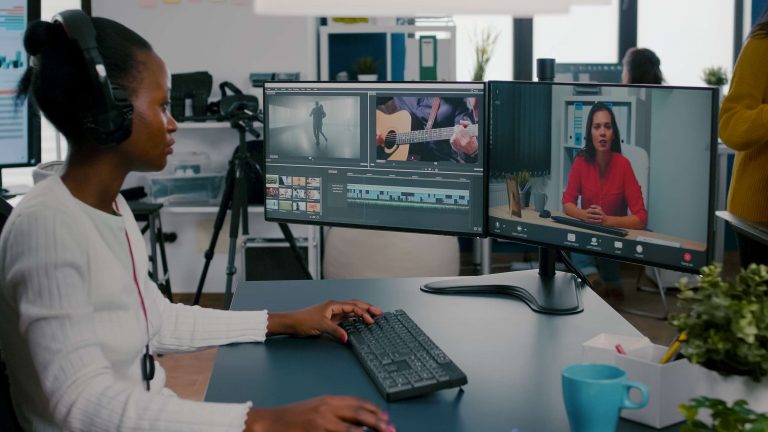
The storytelling in video editing comes from finding the moments that make emotional arcs, and push the narrative along. Editors are invisible counselors, deciding which shots to highlight and which to toss aside in order to create tension, release or surprise. The best narratives are when a cut happens before the viewer can question what is happening, and ideal pacing reveals information at the right moment necessary for us to stay curious while not becoming confused. This is a selective process that whittles hours of footage down to minutes of real progress.
Structure is the backbone of every good edit. Timeless examples of three-act structures — introduction, confrontation, resolution — are easy to convert for video, with editors employing visual cues that identify turning points. Montages compress time and illustrate transformation, while cross-cutting between parallel actions raises the stakes. Knowing those patterns helps storytellers to organize such raw material into something that feels intentional and satisfying.
Character reveals come in reaction shots and telling details. Close-ups capture tentatively graded emotions that express inner turmoil or joy more eloquently than words. Editors are trained to hold these moments, to let the audience experience them and make connections with subjects on a human level. To pace around reactions is to build empathy and make the stakes of the story feel personal.
Visual motifs repeat themes, help give the film texture and hold everything together. Cut back on color or composition or camera move and scenes will lose their subconscious glue. One motif could transform — perhaps beginning as light, then shaded to reflect the character’s journey. Repeatedly and thoughtfully working over these building blocks offers complex rewards to attentive viewers.
Great editing will make storytelling feel easy, while also concealing hyper-conscious decisions. The greatest stories feel inevitable, as if the story could not have unfolded any other way. And it takes empathy for the audience, technical mastery and artistic daring to be a ruthless cutter. With enough practice, editors develop a kind of instinct for creating videos that don’t simply inform or entertain, but rather genuinely move and inspire those who view.